
What we
actually build.
Every engagement comes back to the same three levers: people, process, systems. What changes is what gets built.
These are the six lines we deliver. Most engagements use three of them. None of them start before we have found the real problem.
Competent before they touch the job.
Most trades training is shadowing, and it costs you twice. The new hire watches instead of works, a senior tech babysits instead of bills, and what does get taught lives in one person's head.
We build a pass/fail path instead: a day of online learning, two days on real equipment in a practice setup at your warehouse or site, then supervised work on real customer sites. Inside the first week they are on real jobs, and your senior people stay billable.
These are multi-year programs and they are still running at the companies we built them for.
Field technicians, supervisors and winter crew trained through one pass/fail program. The company still hires through it.
What you get
- Blended programs: online and hands-on
- Practice environments designed and set up on site
- Competency frameworks and practical assessment
- eLearning and video production
- Onboarding programs
- Train-the-trainer
Before Wolfmother, we never knew if our workers actually learned what they needed to. Now we have consistent training, we know exactly what each employee has learned, and the quality of work shows it.
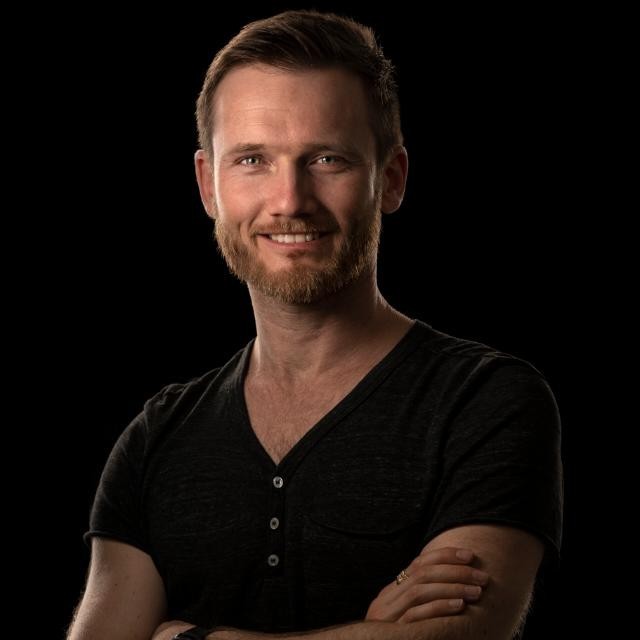
Training should have just as much importance in your business as recruiting. We didn't fully believe that until we saw what happened when we actually had a program. New employees were more engaged, retention improved in the first few months, and the chaos of onboarding a growing team finally had structure.
Written to the standard a regulator reads.
Compliance is not a document. It is the document, the training that proves people were taught it, the evidence that it happened, and the report when someone asks. Most vendors sell you one of those. We build the whole chain.
We have written safety documentation and programs that have gone into provincial regulatory submissions, and safety programs written to OSHA standard for US operations. The capture systems behind them keep the evidence current, so nobody rebuilds it the week before an audit.
Records in one field safety and hiring system, still used every day, years after handoff. Records it produced have been provided to the provincial safety regulator during audits and incident follow-ups.
What you get
- Safety manuals and OHS documentation
- Compliance training programs
- Evidence capture and automation
- Audit and inspection preparation
- Safety management systems
- Multi-jurisdiction compliance, Canada and United States
Capture once. Use it everywhere.
Your crews see everything. Almost none of it makes it back. We move field paperwork onto their phones, then turn each entry into whatever the business needs: quotes for work spotted on site, inspection and service reports, compliance records, and hours that flow into payroll and job costing without rekeying.
The reports come out branded, not as a database export. Most automation stops at the data and leaves a person to make it presentable. That is the part we finish.
Timesheets submitted through a mobile hours app we built for a multi-site construction company. It replaced paper and has fed payroll for three years.
What you get
- Mobile field capture
- Hours and time tracking
- Compliance record systems
- Automated quoting from field-identified work
- Inspection and audit reporting
- Payroll and accounting workflows
- Notification and escalation routing
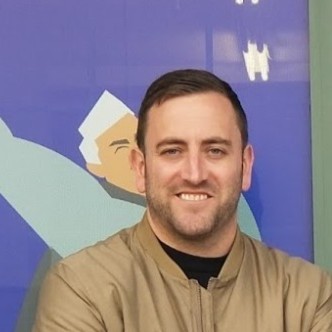
Mojan helped us build out an end-to-end process for selling and producing add-on services. She took the information in our heads and turned it into a logical process, with a well-thought-out plan to execute and make it repeatable. She is extremely smart, focused, and really cares about the project she is working on.
When they leave, the know-how stays.
Most of what makes your business work lives in a few people's heads. When one of them leaves, it leaves with them, and the next hire learns by guessing.
We sit with the people who do each job, record how they actually do it, and turn it into role manuals, SOPs and step-by-step training videos. The next hire follows the manual instead of chasing whoever is still around.
Seven role and system manuals, 11+ SOPs and training videos for one field-services company. Four years on, the company is still editing and using them.
What you get
- Role manuals
- SOP libraries
- Step-by-step training videos
- Trainer guides
- Knowledge capture sessions with your experts
- Templates your team keeps current
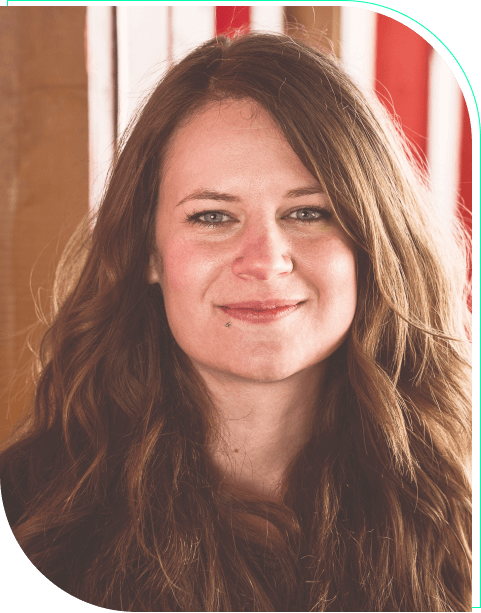
Mojan analysed the mess in my mind, interpreted it with laser focus, and translated it back to me in an organised workflow. What came out the other side was a professional, thorough training manual that my replacement actually complimented me on. I can't imagine trying to do it without her.
The structure underneath everything.
This is the work the rest of it sits on. We map how your business actually runs, find where it breaks, and rebuild the structure underneath: who owns what, how work moves between people, what happens at the handoffs.
Most firms skip this to get to the deliverable. It is the reason the deliverable works.
From job offer to ready for training, through one hiring system we built. The paperwork used to take two to three weeks of back-and-forth.
What you get
- Operational audits
- Process design and documentation
- Org and management structure
- Role definition
- Handoff and escalation design
- Capability transfer so your team runs it without us
Mojan has a zone of genius for designing operations and systems that just work. What sets her apart is that she never loses sight of the people inside them. She built something that the team actually embraced. That's not easy to do.

What she built with us didn't just solve the immediate problem. It scaled. That's the difference between a consultant and someone who actually understands operations.
Systems that do the work, not chatbots.
Most AI projects fail the same way. Someone installs a tool, points it at a pile of documents, and nothing changes, because the tool does not understand how the business runs.
We map the operation first, then build assistants that take coordination off your leaders' plates: meetings turned into tasks, weekly briefings, overdue work chased. A person approves every new task. We have built these for clients' companies, and we run them in our own.
Where they are the right answer, we also build the conventional things: custom applications, workflow automation and platform rollouts.
Three hires. One AI. A coordination role that hadn't stuck through three hires, now handled by an in-house AI assistant we built.
What you get
- AI agents and assistants built for your operation
- Workflow and process automation
- Custom application development
- Software stack audits and consolidation
- Platform selection and deployment
- Automated reporting and alerting
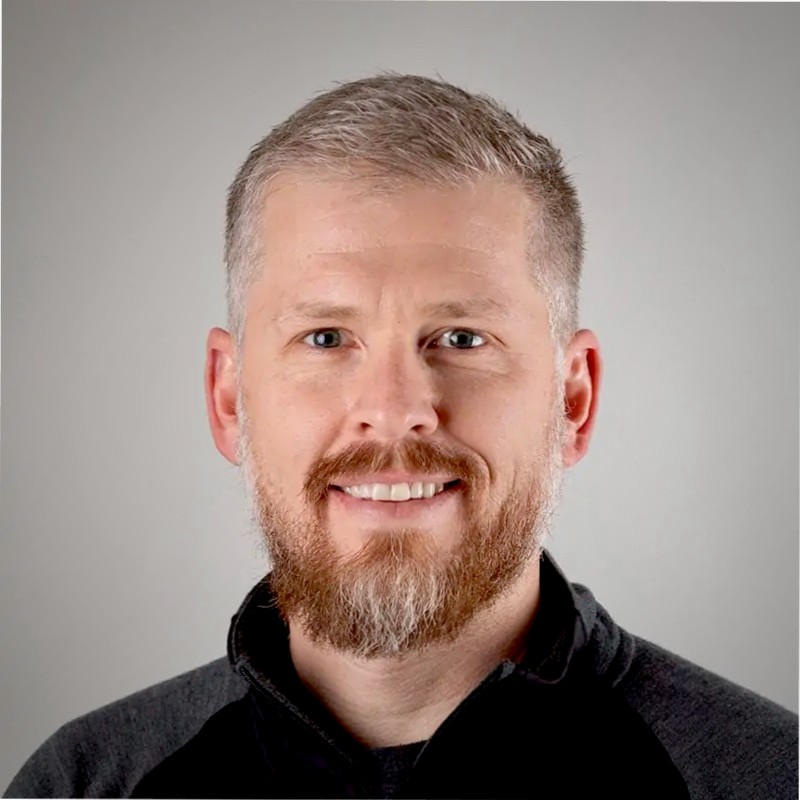
We were moving fast but building on sand. Wolfmother came in, built the systems from the ground up, refined the processes, and layered in automation and AI that actually made sense. Now the whole operation runs like it was designed that way. Because it was.
Not sure which of these you need?
That usually means the problem isn't where you think it is.
The rest of what we can take on.
We have delivered
- Brand and identity
- Websites
- Marketing and social
- Packaging and physical product
- Multi-location and franchise systems
- Software selection and rollout
- Inventory and POS
We bring in from our pack
- Wilderness and backcountry safety
- Remote and field site training
- Survival and land navigation
- Specialist trade instruction
- Subject-matter experts by discipline
Some of this we build ourselves. The rest we run through vetted schools and instructors we manage, so you are not hiring three firms to finish one job.