
What we
actually build.
Every engagement comes back to the same three levers: people, process, systems. What changes is what gets built.
These are the six lines we deliver. Most engagements use three of them. None of them start before we have found the real problem.
AI that understands your operation.
Most AI projects fail the same way. Someone installs a tool, connects it to a pile of documents, and nothing changes, because the tool does not understand how the business actually runs.
We build the other kind. We map the operation first: who decides what, where knowledge is trapped, which system is really the source of truth, where the exceptions live. Then we build on top of that map.
What we have deployed does real work, not demos. Systems that run on their own schedule, hold context on a business across months, read and write into live tools like task boards, calendars, drives and email, watch external sources and surface only what matters, pull commitments out of meeting recordings, and operate inside hard rules with approval gates and an audit trail on anything consequential.
We have built these for clients' companies, and we run them in our own. We also build the conventional things: custom applications with a development team, workflow automation, and platform implementations where an off-the-shelf stack is genuinely the right answer.
The operations diagnosis is not a preamble to the AI work. It is what makes the AI work.
What you get
- AI agents and assistants built for your operation
- Workflow and process automation
- Custom application development
- Software stack audits and consolidation
- Platform selection and deployment
- Automated reporting and alerting
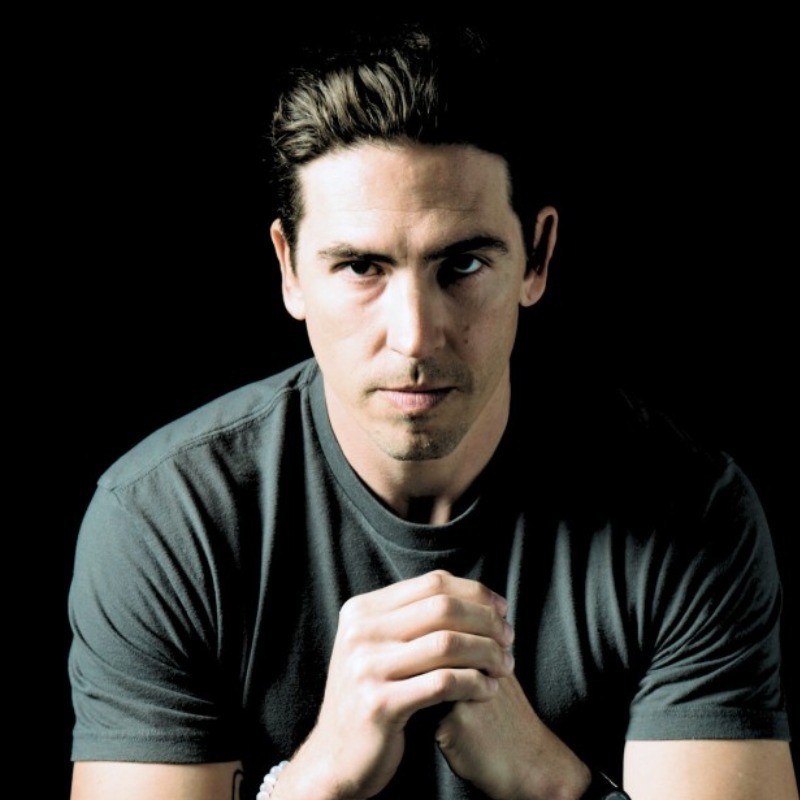
We were moving fast but building on sand. Wolfmother came in, built the systems from the ground up, refined the processes, and layered in automation and AI that actually made sense. Now the whole operation runs like it was designed that way. Because it was.
Competent before they touch the job.
Most trades training is shadowing, and it costs you twice. The new hire watches instead of works. A senior tech babysits instead of bills. Both are on payroll and neither is producing. Then the training that did happen lives in one person's head, so the next hire starts over.
We build a different path. A day of structured online learning. Two days in a practice environment we set up in your warehouse or on site, where they do the actual service on real equipment with nothing at stake. Then real customer sites with a dedicated training supervisor, doing the work carefully before anyone is turned loose alone.
Inside the first week they are on real jobs. One supervisor can carry several trainees at once. Your senior people stay billable.
These are multi-year programs and they are still running at the companies we built them for.
Where a contract calls for specialist instruction outside our own delivery, we bring in schools and instructors from our bench and manage the program around them.
What you get
- Blended programs: online, classroom and hands-on
- Physical practice environments designed and set up on site
- Competency frameworks and practical assessment
- SOPs, manuals and knowledge capture
- eLearning and video production
- Onboarding programs
- Train-the-trainer
Before Wolfmother, we never knew if our workers actually learned what they needed to. Now we have consistent training, we know exactly what each employee has learned, and the quality of work shows it.
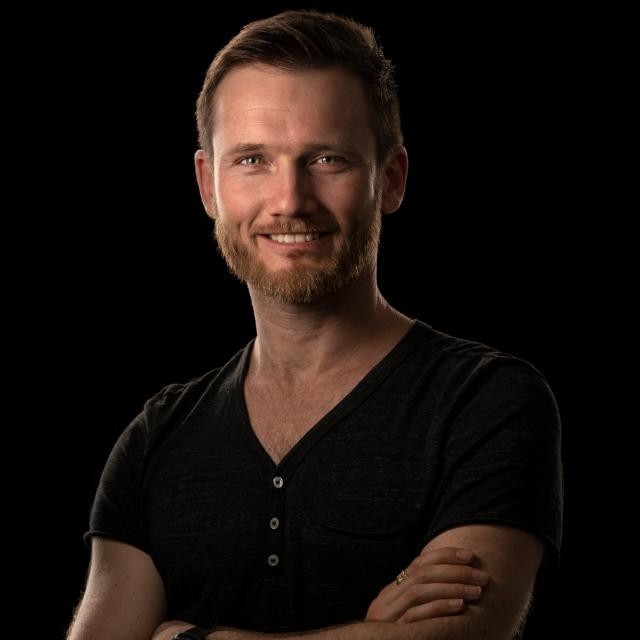
Training should have just as much importance in your business as recruiting. We didn't fully believe that until we saw what happened when we actually had a program. New employees were more engaged, retention improved in the first few months, and the chaos of onboarding a growing team finally had structure.
Capture once. Use it everywhere.
Your crews see everything. Almost none of it makes it back.
We build the systems that capture what happens in the field on a phone, validate it, route it where it needs to go, and turn it into whatever the business needs on the other end. One capture, many outputs.
Outward, that means service opportunities your crews spot on site turning into quotes to the customer, and inspection or service reports that go out looking like you meant them to. Inward, it means compliance records that exist when someone asks for them, hours flowing into payroll and job costing without anyone rekeying, and reporting that tells you what is actually happening across sites.
We have built this for multi-crew, multi-site operations working across provinces, and for plant and facility audits where an inspector walks a site capturing photos, video and voice and the finished report assembles itself.
The reports come out brand-aligned, not as a database export. Most automation stops at the data and leaves a person to make it presentable. That is the part everyone hates and the part we finish.
What you get
- Mobile field capture
- Hours and time tracking
- Compliance record systems
- Automated quoting from field-identified work
- Inspection and audit reporting
- Payroll and accounting workflows
- Notification and escalation routing
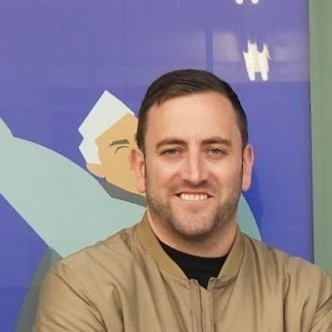
Mojan helped us build out an end-to-end process for selling and producing add-on services. She took the information in our heads and turned it into a logical process, with a well-thought-out plan to execute and make it repeatable. She is extremely smart, focused, and really cares about the project she is working on.
The structure underneath everything.
This is the work the rest of it sits on.
We map how your business actually runs, find where it breaks, and rebuild the structure underneath: who owns what, how work moves between people, what happens at the handoffs, and what the org needs to look like to carry where you are going.
This is the part most firms skip to get to the deliverable. It is the reason the deliverable works.
What you get
- Operational audits
- Process design and documentation
- Org and management structure
- Role definition
- Handoff and escalation design
- Capability transfer so your team runs it without us
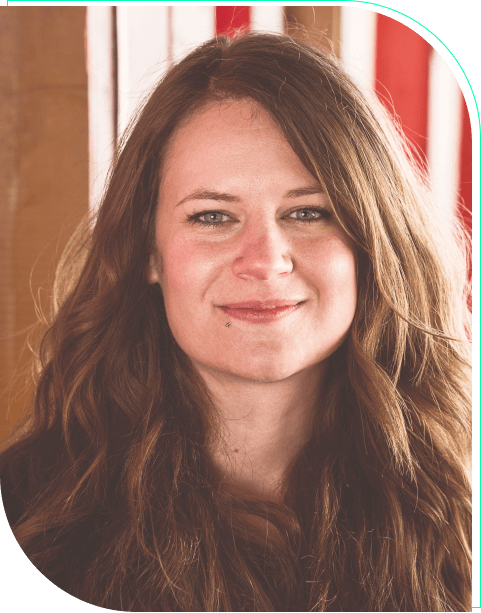
Mojan has a zone of genius for designing operations and systems that just work. What sets her apart is that she never loses sight of the people inside them. She built something that the team actually embraced. That's not easy to do.
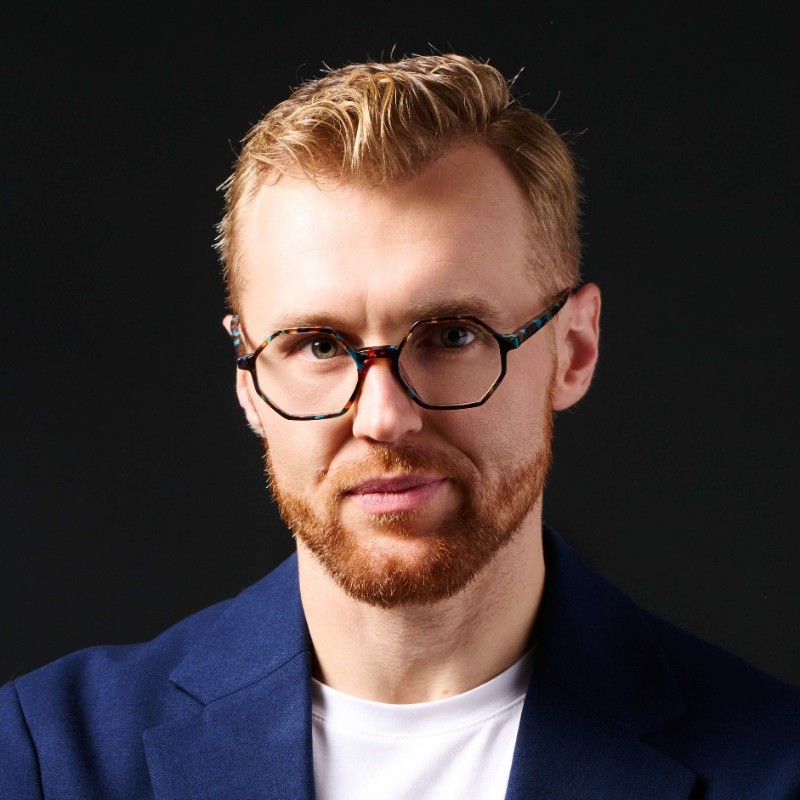
Mojan analysed the mess in my mind, interpreted it with laser focus, and translated it back to me in an organised workflow. What came out the other side was a professional, thorough training manual that my replacement actually complimented me on. I can't imagine trying to do it without her.
Written to the standard a regulator reads.
Compliance is not a document. It is a document, plus the training that proves people were taught it, plus the evidence that it happened, plus the report when someone asks.
Most vendors sell you one of those four. We build the whole chain.
We have written safety documentation and programs that have gone into provincial regulatory submissions, safety programs written to OSHA standard for US operations, and the training and capture systems that keep the evidence current instead of reconstructing it the week before an audit.
Built across several regulatory regimes on both sides of the border, so the system travels instead of being rebuilt every time you cross a line on a map.
What you get
- Safety manuals and OHS documentation
- Compliance training programs
- Evidence capture and automation
- Audit and inspection preparation
- Safety management systems
- Multi-jurisdiction compliance, Canada and United States
Measured, not motivational.
We design programs for people who operate where the margin for error is zero.
Wolfmother provides the operations and systems architecture for OPTML, a US defense human performance firm. Under that contract this work has supported programs for elite operators and warfighters serving the US Department of Defense, delivered across the US Air Force and Space Force.
Underneath it sits three years building workforce performance software for mining, heavy industry and transportation fleets, translating sleep and fatigue science into systems that operations teams actually use.
What you get
- Human performance program design
- Fatigue risk and shift-work systems
- Readiness and resilience programs
- Research translated into something a team can run
Government contracting is complex, always changing, and brutal to systematize. Mojan fit into our culture immediately, built trust with the team fast, and helped us build systems that don't just work today but hold up when everything shifts.
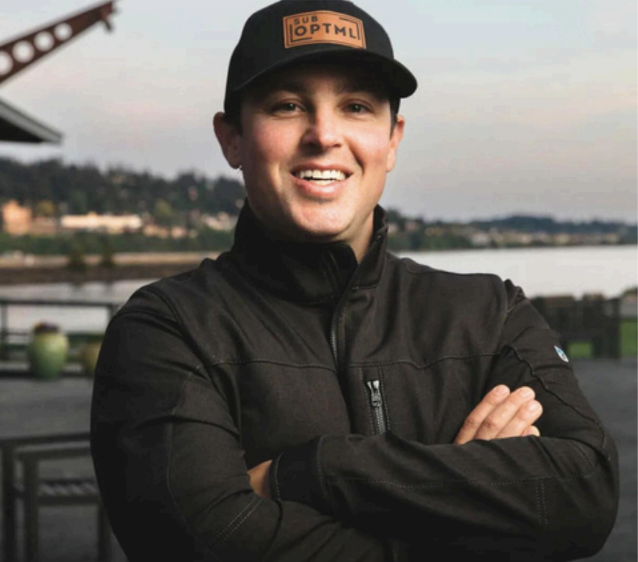
What she built with us didn't just solve the immediate problem. It scaled. That's the difference between a consultant and someone who actually understands operations.
The rest of what we can take on.
We have delivered
- Brand and identity
- Websites
- Marketing and social
- Packaging and physical product
- Multi-location and franchise systems
- Software selection and rollout
- Inventory and POS
We bring in from our pack
- Wilderness and backcountry safety
- Remote and field site training
- Survival and land navigation
- Specialist trade instruction
- Subject-matter experts by discipline
Some of this we have built ourselves. The rest we run through vetted schools and instructors, engaged against the requirement and managed by us. It is not what we are, but it does mean you are not hiring three firms to finish one job.
Not sure which of these you need?
That is usually the sign that the problem is not where you think it is. Tell us what is going on and we will tell you what we see.